
The Fascinating World of Card Games: A Journey Through History, Strategy, and Social Connection

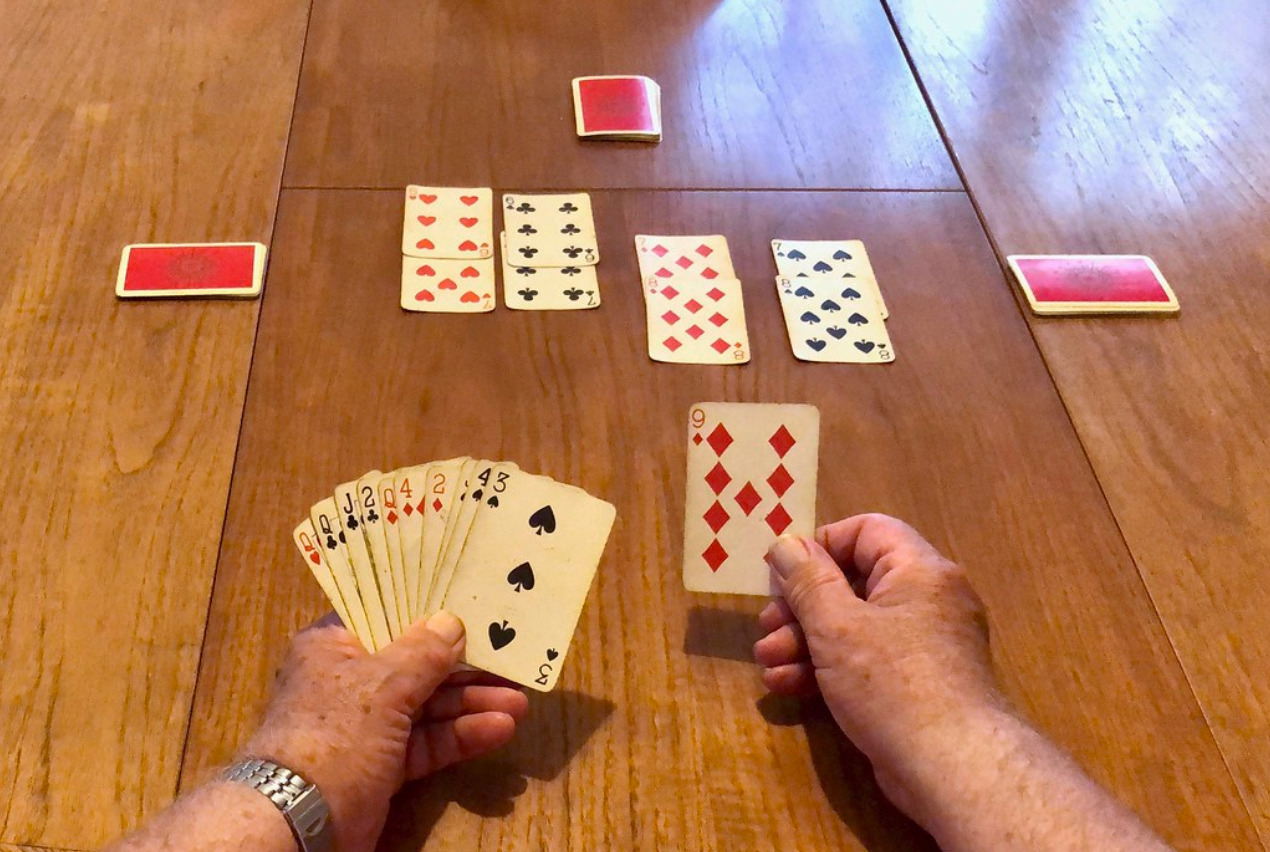
Card games have been a beloved pastime for centuries, weaving together elements of chance, skill, and social interaction. These games offer more than mere entertainment — they embody cultural narratives, strategic depth, and the human desire for connection and challenge. From ancient origins to modern digital formats, card games continue to captivate diverse audiences worldwide. This article delves into the rich history, varied types, and compelling appeal of card games, providing a nuanced exploration for enthusiasts and newcomers alike.
A Glimpse into the Origins of Card Games
The origins of card games are steeped in mystery and intrigue, with evidence suggesting their beginnings in East Asia around the 9th century. Early playing cards likely emerged as an offshoot of paper money and domino games, used for both amusement and gambling. From China, these games spread through Asia before reaching the Middle East and eventually Europe in the late Middle Ages.
Early European card decks varied considerably, often hand-crafted and lavish, reflecting regional aesthetics and societal hierarchies. The four suits we recognize today—hearts, clubs, diamonds, and spades—evolved in France during the 15th century, establishing the foundation for the standardized deck used globally today. The introduction of the printing press greatly accelerated card production, democratizing access and popularizing card games across different social strata.
The Spectrum of Card Game Categories
Card games exhibit immense diversity, tailored to different rules, objectives, player counts, and cultural preferences. Here are some of the broad categories that illustrate this variety:
Trick-Taking Games
Central to this category is the concept of a “trick”: a single round where each player contributes a card, and the highest-ranking card wins the trick. Trick-taking games often require strategic planning and partnership coordination.
-
Bridge: Regarded for its complexity and teamwork, it demands bidding and careful card play.
-
Spades and Hearts: Popular social games with competitive and strategic mechanics, known for their engaging gameplay.
-
Ombre and Piquet: Historical trick-taking games that influenced modern variants.
Shedding Games
The goal in shedding games is to be the first to empty one’s hand of cards. These games often involve tactical play to disrupt opponents’ progress.
-
Crazy Eights: A classic shedding game with special action cards.
-
Uno: A modern favorite featuring colorful cards and wild cards that add strategic twists.
-
President: A fun social game where players’ rankings evolve dynamically based on performance.
Matching and Meld Games
Matching games challenge players to form specific combinations such as sets or sequences, often requiring memory and planning.
-
Rummy: A venerable family of games focused on melding cards into runs or groups.
-
Canasta: A sophisticated variant using multiple decks and melding rules.
-
Gin Rummy: Faster-paced and popular for its balance of luck and skill.
Gambling and Casino Card Games
This subset merges risk with skill, forming the backbone of many casinos worldwide.
-
Poker: The most iconic, with many variants emphasizing bluffing, psychology, and betting strategies.
-
Blackjack: A game centered on attaining 21 points without exceeding it, blending probability with decision-making.
-
Baccarat: Favored in upscale casinos, focusing on betting on either player or banker hands.
Why Card Games Endure: Social and Cognitive Dimensions
Card games thrive not only due to their engaging rules but also their profound social and intellectual impacts:
-
Social Interaction: Card games foster camaraderie, family bonding, and social entertainment across cultures and generations.
-
Cognitive Challenge: They enhance memory, strategic thinking, probabilistic analysis, and emotional intelligence.
-
Cultural Heritage: Many communities have unique traditional card games reflecting their history, values, and stories.
The Digital Transformation of Card Games
The advent of technology has propelled card games into the digital age, creating global communities and competitive platforms accessible anytime, anywhere. Online multiplayer modes, tutorials for novices, and mobile apps have expanded the reach and democratized learning, ensuring the timeless appeal of card games endures in contemporary formats.
Conclusion
Card games encapsulate a rich tapestry of human culture, intellect, and social connection. From their ancient origins to the vibrant arenas of today’s gaming world, they continue to fascinate, challenge, and unite players. Whether you seek the cerebral rigors of Bridge, the accessible fun of Uno, or the psychological thrill of Poker, card games offer endless delight and depth.
Embracing this tradition means engaging not only in play but participating in a centuries-old human custom that sharpens the mind, nurtures relationships, and celebrates the joy of shared challenge.

Comments are closed.