

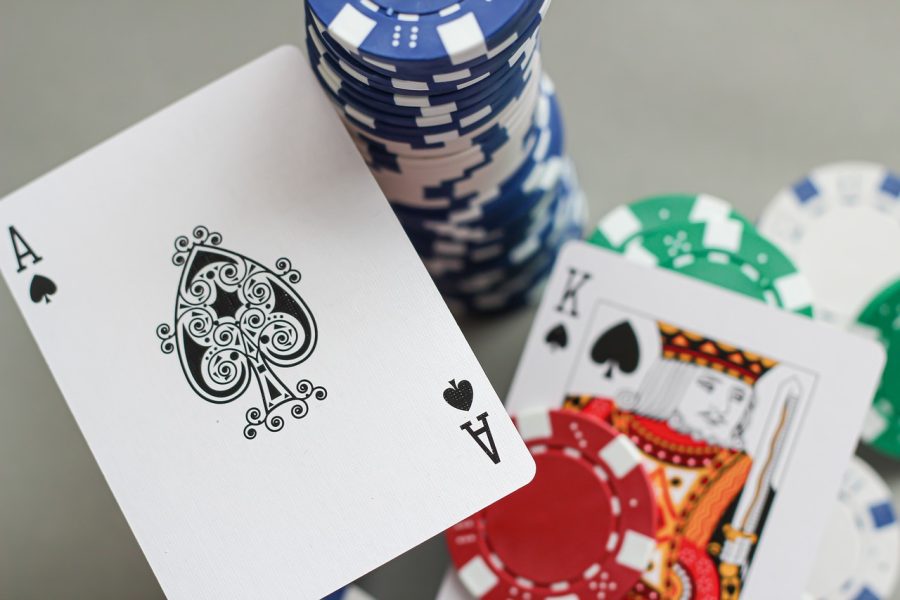
Blackjack holds a special place in the world of card games, seamlessly blending elements of luck, strategy, and psychology into an engaging contest that has fascinated players for centuries. Its timeless appeal derives not only from its simple goal but also from the depth of decision-making it invites. This article explores the classic game of blackjack, tracing its origins, understanding its rules, and appreciating the strategic nuances that elevate it beyond mere chance.
Tracing the Origins of Blackjack
The roots of blackjack can be found in the classic European card game “Vingt-et-Un,” French for “twenty-one,” which originated in the early 1700s. Played in the royal courts of France, it gained popularity through European casinos and later crossed the Atlantic to America with French settlers.
In its early American form, blackjack had different rules and incentives. One notable historical twist is linked to the game’s name: casinos in the United States offered a special bonus payout when a player’s hand included the ace of spades and a black jack (jack of clubs or spades). Though this specific bonus faded over time, the catchy name “blackjack” endured, symbolizing the game’s unique identity.
Over the centuries, blackjack’s fundamental objective has remained consistent: to hold cards with a value as close to 21 as possible, without exceeding it. Yet through countless adaptations and innovations, the game evolved into a sophisticated and intellectually stimulating pastime.
The Essence of the Game: Rules and Gameplay
At its core, blackjack pits the player against the dealer. The game uses one or more standard 52-card decks, with suits irrelevant and card values assigned as follows:
-
Number cards count as their face value.
-
Face cards (King, Queen, Jack) each count as 10.
-
Aces can be valued as 1 or 11, depending on which is more favorable for the player.
Each round begins with players receiving two cards, while the dealer receives one face-up and one face-down. Players then make decisions to “hit” (draw additional cards), “stand” (keep their current total), “double down” (double the bet and receive one final card), or “split” (divide pairs into separate hands). The dealer plays last, following strict rules to hit until reaching a minimum of 17.
The hand closest to 21 without busting wins, with a blackjack (an ace plus any 10-value card dealt initially) typically paying a premium.
The Strategic Depth Beneath the Surface
Unlike many casino games reliant largely on chance, blackjack rewards players with the opportunity to improve their odds through skillful decision-making:
-
Basic Strategy: Decades of mathematical analysis have produced a set of optimal plays based on the player’s hand and the dealer’s visible card. Following this strategy minimizes the house edge and maximizes chances of winning.
-
Card Counting: This advanced technique involves tracking the ratio of high to low cards remaining in the deck to inform betting and playing decisions. When employed successfully, card counting can shift the odds in the player’s favor, rewarding attentiveness and discipline.
-
Bankroll and Risk Management: Effective blackjack players balance their bets and know when to be conservative or aggressive, ensuring longevity and resilience against inevitable swings.
These layers of strategy highlight blackjack as a game of intellect and patience, engaging both casual players and serious enthusiasts alike.
Variations and Modern Innovations
Blackjack’s enduring popularity has led to numerous variations worldwide. Some of the popular variants include Spanish 21, Blackjack Switch, and Pontoon, each introducing unique twists like different payout structures or additional player options.
The digital age has further revolutionized blackjack through online platforms, live dealer games, and mobile apps, providing accessibility and immersive experiences previously unavailable. These innovations have expanded the game’s reach, attracting new generations while preserving its classic appeal.
Why Blackjack Captivates Generations
The lasting allure of blackjack lies in its perfect balance of risk and reward, simplicity and complexity. The game offers constant mental engagement, emotional excitement, and an element of unpredictability—qualities that resonate deeply with human nature.
Whether played casually or competitively, blackjack invites players into a realm where every decision counts, every card holds potential, and every hand tells a story.
Conclusion
Blackjack is more than just a casino game; it is a testing ground for strategy, intuition, and psychological resilience. Its storied history, elegant rules, and rich strategic possibilities make it a timeless classic that continues to enthrall players around the globe. For those who appreciate the marriage of chance and skill, blackjack offers an unparalleled experience—one that challenges, rewards, and entertains in equal measure.

Comments are closed.