

Blackjack, often hailed as the quintessential casino card game, perfectly balances the elements of chance with skillful strategy. Its timeless allure transcends cultures and generations, captivating novices and seasoned players alike. With a history rich in tradition and gameplay that demands both intellect and intuition, blackjack offers an experience that is as thrilling as it is cerebral. This article explores the origins of blackjack, unpacks its fundamental rules, delves into its strategic depth, and celebrates its enduring global appeal.
The Origins and Evolution of Blackjack
The story of blackjack begins in Europe, where the game’s earliest known ancestor is Vingt-et-Un—French for “twenty-one.” This game emerged in the French royal courts during the early 18th century and was especially popular during King Louis XV’s reign. Players competed to reach a hand total as close to twenty-one as possible, without exceeding it, mirroring the core objective of modern blackjack.
References to similar games appear even earlier. Spanish literature from the early 1600s, notably in Miguel de Cervantes’s works, mentions a game akin to blackjack, called veintiuno (“twenty-one”), indicating the game’s cultural roots span multiple European traditions. These early incarnations varied slightly in rules but shared the core pursuit of the elusive twenty-one.
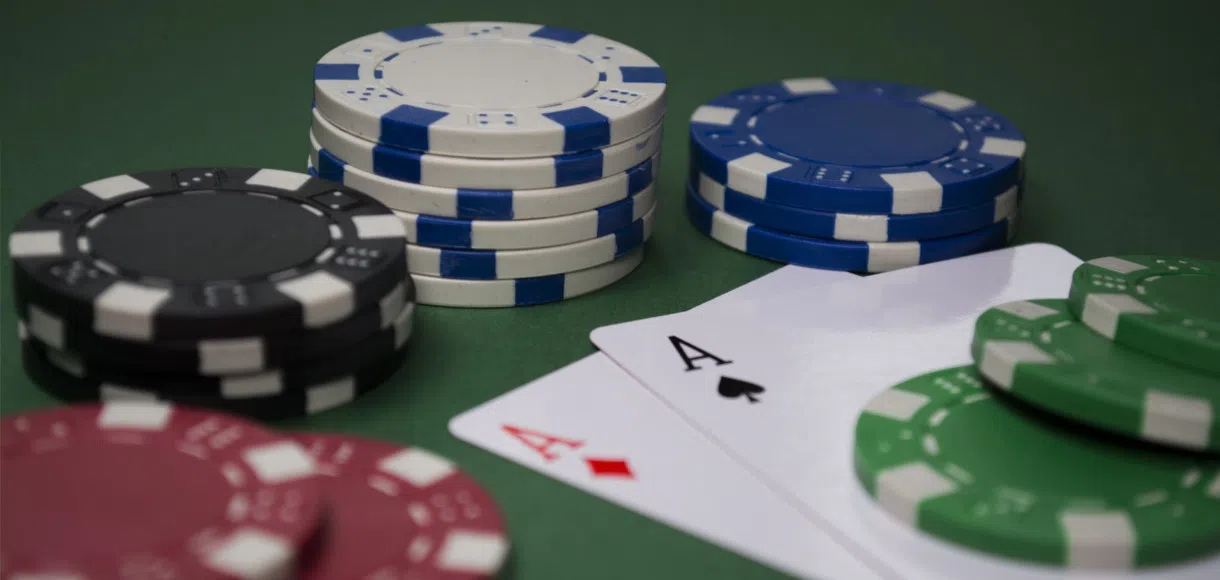
Blackjack’s transatlantic journey brought it to America in the 18th century, largely via French colonists in New Orleans. Over time, American gambling houses adapted and modified the rules to suit their audience. A pivotal moment in the game’s evolution was the emergence of the name “blackjack.” Casinos offered a bonus payout to players who held an ace of spades and a black jack (jack of clubs or spades), a payout that was short-lived but left a lasting legacy in the game’s moniker.
The Rules: Simple Yet Sophisticated
The charm of blackjack lies in its seemingly straightforward rules paired with complex strategic decisions:
-
The game is played with one or more standard decks of 52 cards.
-
Numbered cards retain their face value.
-
Face cards (Kings, Queens, Jacks) are valued at ten points.
-
Aces can count as either one or eleven, whichever best favors the player’s hand.
Each player is initially dealt two cards, while the dealer receives one card face up and one face down. Players can then choose to “hit” (receive another card), “stand” (keep their current hand), “double down” (double their initial bet for one additional card), or “split” pairs to create two separate hands. The dealer follows preset rules, typically hitting until reaching a minimum total of 17.
A “blackjack” occurs when the initial two cards are an ace paired with a ten-point card, usually paying out at higher odds and often determining the immediate victor of the round.
Strategic Dimensions: Beyond Luck
What elevates blackjack from a mere game of chance to a captivating sport of the mind is the array of strategies players can adopt:
-
Basic Strategy: Developed through rigorous statistical analysis, the basic strategy outlines the optimal moves for any given hand and dealer card. Mastery of this strategy minimizes the house edge and significantly improves winning chances.
-
Card Counting: Popularized in the 1960s by Edward Thorp’s pioneering work, card counting involves tracking the ratio of high and low cards remaining in the deck, allowing savvy players to adjust their bets and tactics dynamically. It requires mental discipline but can tip the odds toward the player.
-
Bankroll and Risk Management: Successful players understand the importance of managing their funds, knowing when to be aggressive and when to play conservatively, ensuring longevity and resilience.
Together, these strategies transform blackjack into a game where skillful decision-making can reward players beyond mere luck.
Modern Variations and Digital Innovation
Blackjack’s spirit has inspired a myriad of variants globally. Games such as Spanish 21, Double Exposure, and Blackjack Switch introduce fresh twists, modifying payout structures and offering new player options to sustain interest and challenge.
The digital revolution has been a boon for blackjack enthusiasts. Online casinos, mobile apps, and live dealer games provide unprecedented access and interactivity, inviting a broader demographic to partake from the comfort of their homes. These platforms combine cutting-edge technology with the classic blackjack experience, preserving its timeless appeal while embracing modern convenience.
The Enduring Appeal: Why Blackjack Continues to Captivate
The unrivaled charm of blackjack lies in its elegant balance of risk and reward, luck and strategy. Each hand presents a new puzzle—every card dealt alters odds, every decision impacts fate. Players relish the rush of calculating possibilities, the thrill of beating the dealer by a narrow margin, and the social ambiance of the game.
Whether in the vibrant atmosphere of a casino or through a digital screen, blackjack retains its magnetism. It invites both the thinking strategist and the casual player to test their wits in a game where every card counts and every move matters.
Conclusion
Blackjack stands as a shining exemplar of card gaming brilliance—simple to learn, yet endlessly rich in depth. Its majestic history from European courts to worldwide casinos mirrors its timeless relevance and adaptability. The intellectual pursuit combined with the allure of chance ensures blackjack remains a cornerstone of gaming culture.
For anyone seeking a game that offers excitement wrapped in skillful complexity and psychological engagement, blackjack is unrivaled. It continues to inspire, challenge, and entertain, ensuring its place on the tables of future generations who will also aspire to master the art of twenty-one.

Comments are closed.